

Est. 1487 · Rajasthan, India
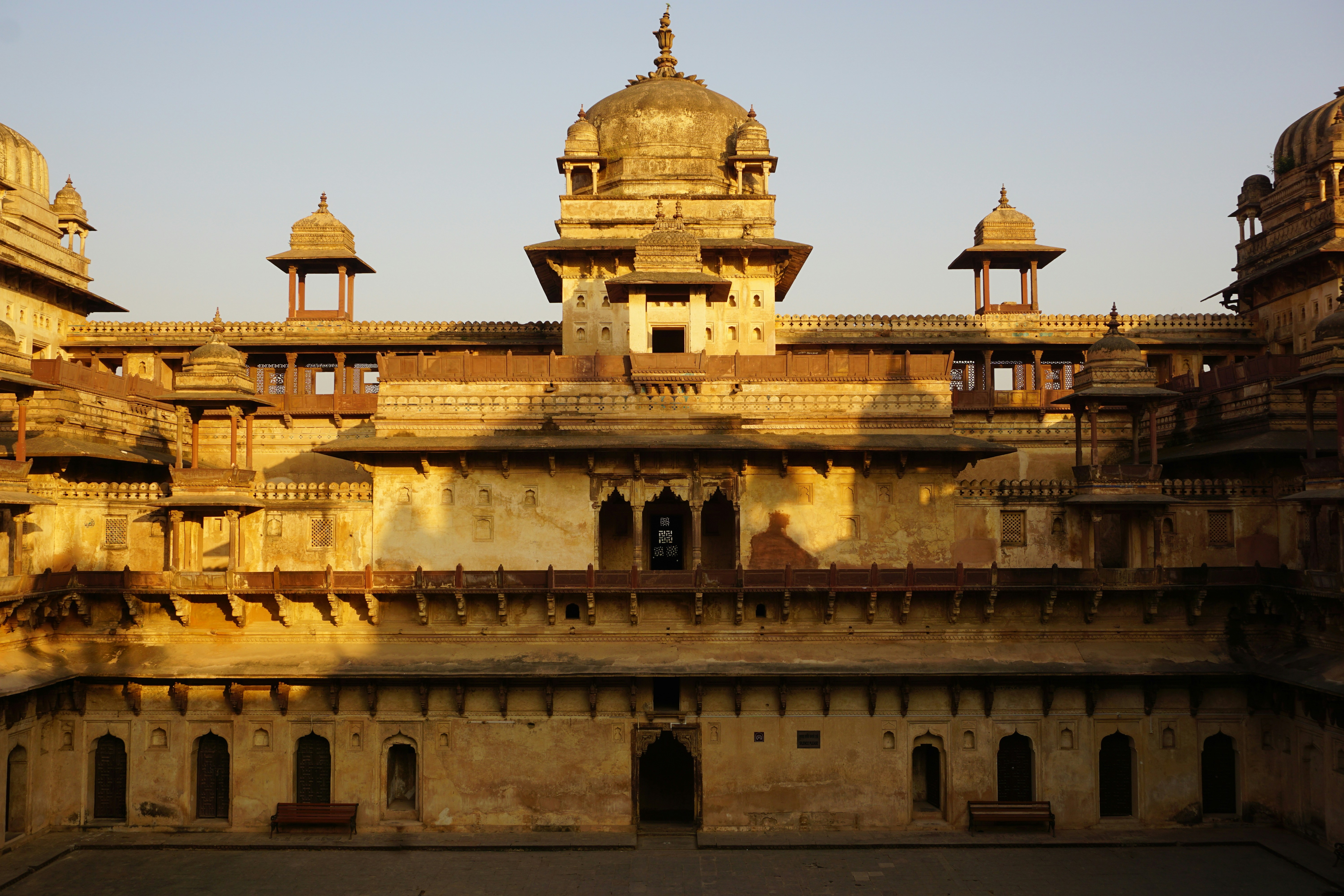
Five Centuries of Living History
The Palace
Heritage
A story written in sandstone and silence, in royal blood and monsoon rains — a palace that has witnessed the full arc of a civilisation.
The Royal Narrative
A Palace is Not
Built. It Grows.
The Palace was not conceived in a single vision. It grew — organically, dynastically — across five centuries of ambition, war, love, and loss. Each Maharaja added his chapter: a new courtyard, a new wing, a new story embedded in stone.
Today, that accumulated history is the most extraordinary luxury we offer. Not thread count or cuisine — though both are exceptional — but the irreplaceable weight of time itself, felt in every corridor, every carved column, every shadow that falls at the same angle it has fallen for five hundred years.
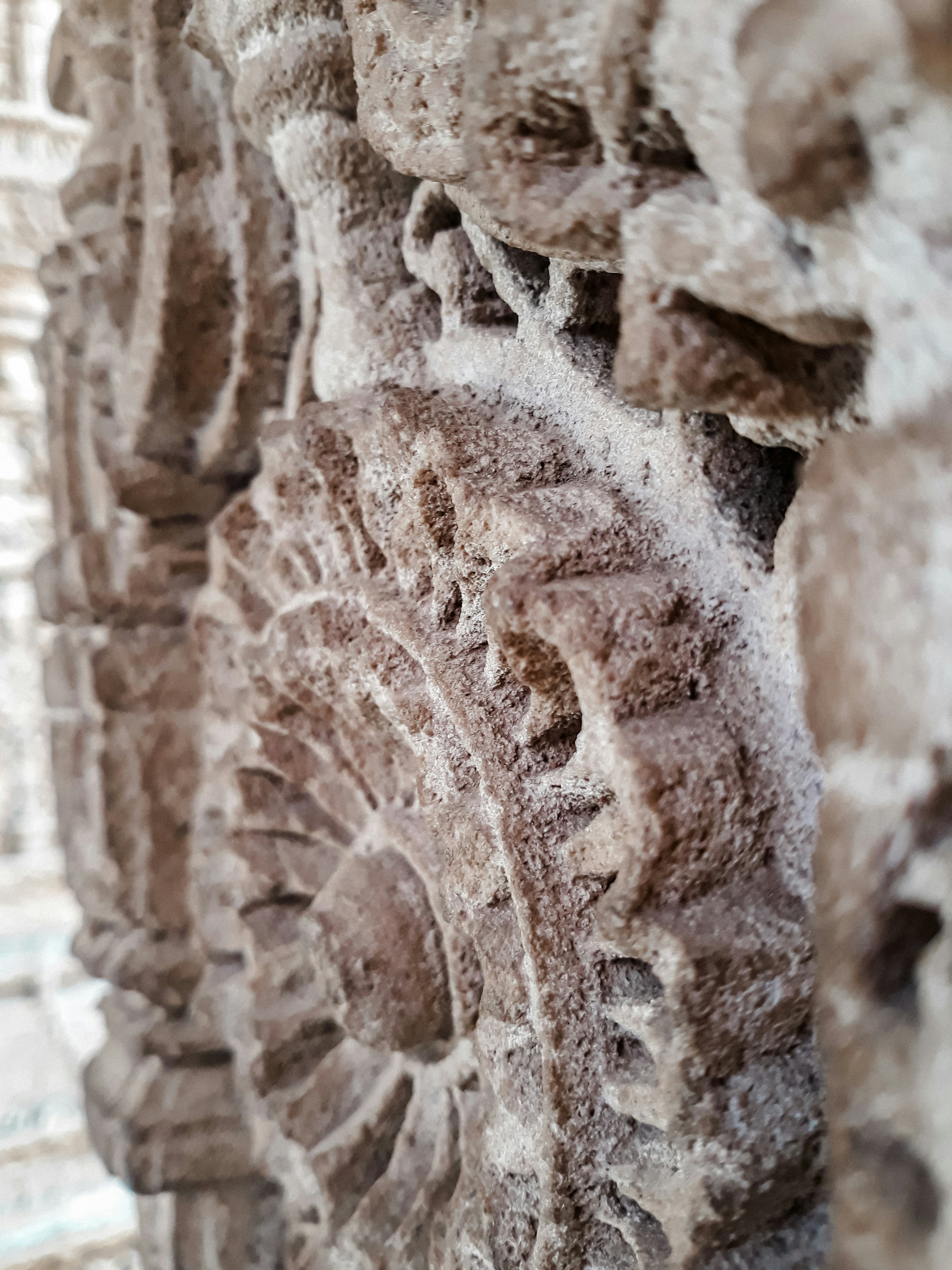
Jharokha Detail · c. 1542
Architectural Evolution
Six Centuries,
Six Chapters
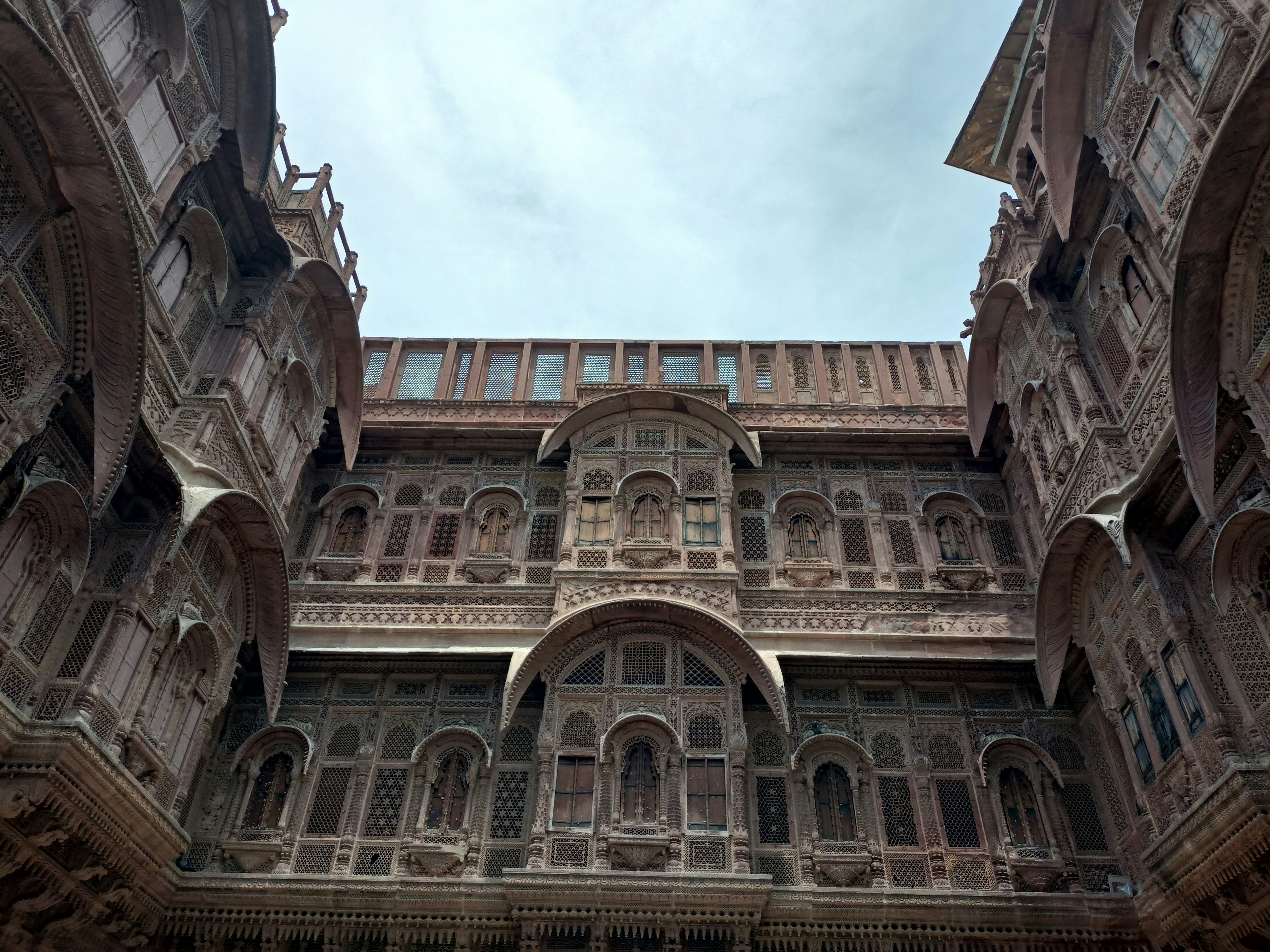
The Foundation
Maharaja Prithviraj Lays the First Stone
Commissioned by Maharaja Prithviraj Singh I as a summer retreat from the desert heat, the original palace was conceived as a fortress of beauty — its sandstone quarried from the Aravalli hills, its proportions dictated by ancient Vastu Shastra principles. The foundation ceremony lasted seven days and seven nights.
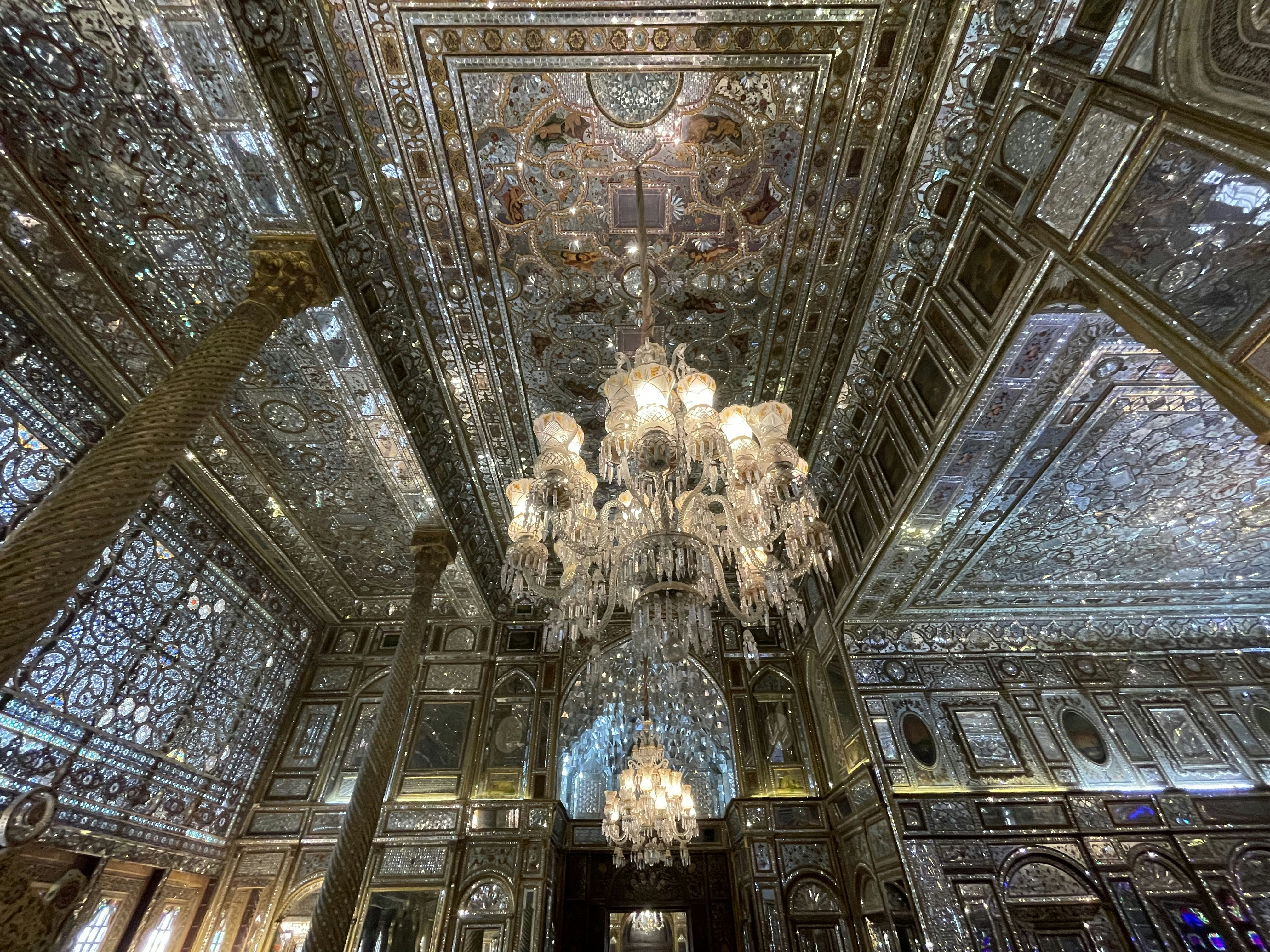
The Golden Age
The Sheesh Mahal & Zenana Quarters
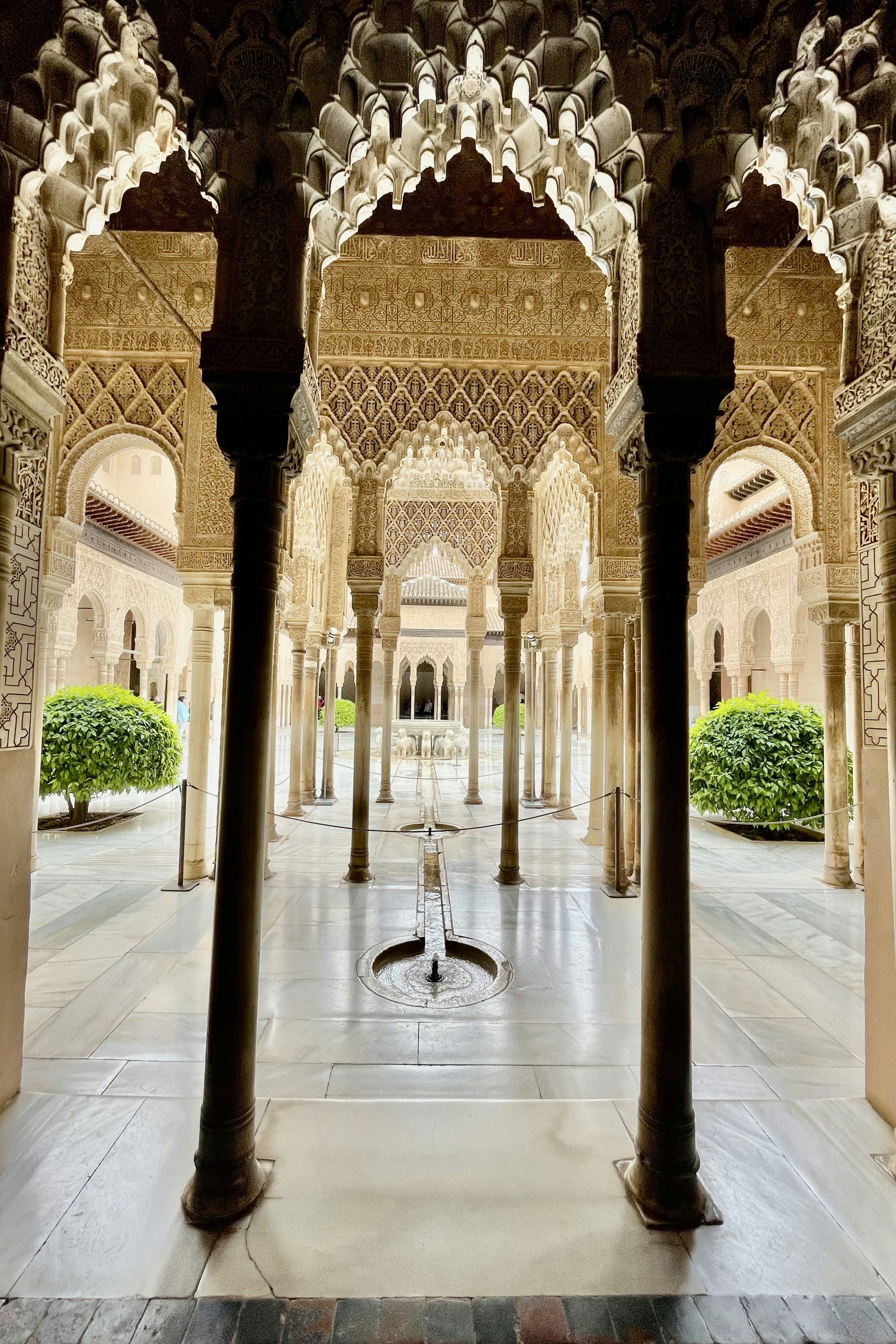
Under Maharaja Vikram Singh II, the palace entered its most prolific architectural phase. The legendary Sheesh Mahal — its ceiling embedded with 50,000 hand-cut mirrors — was completed in 1542. The zenana quarters, a private world of carved marble lattices and perfumed gardens, housed the royal household in extraordinary seclusion.
The Mughal Influence
A Fusion of Two Empires
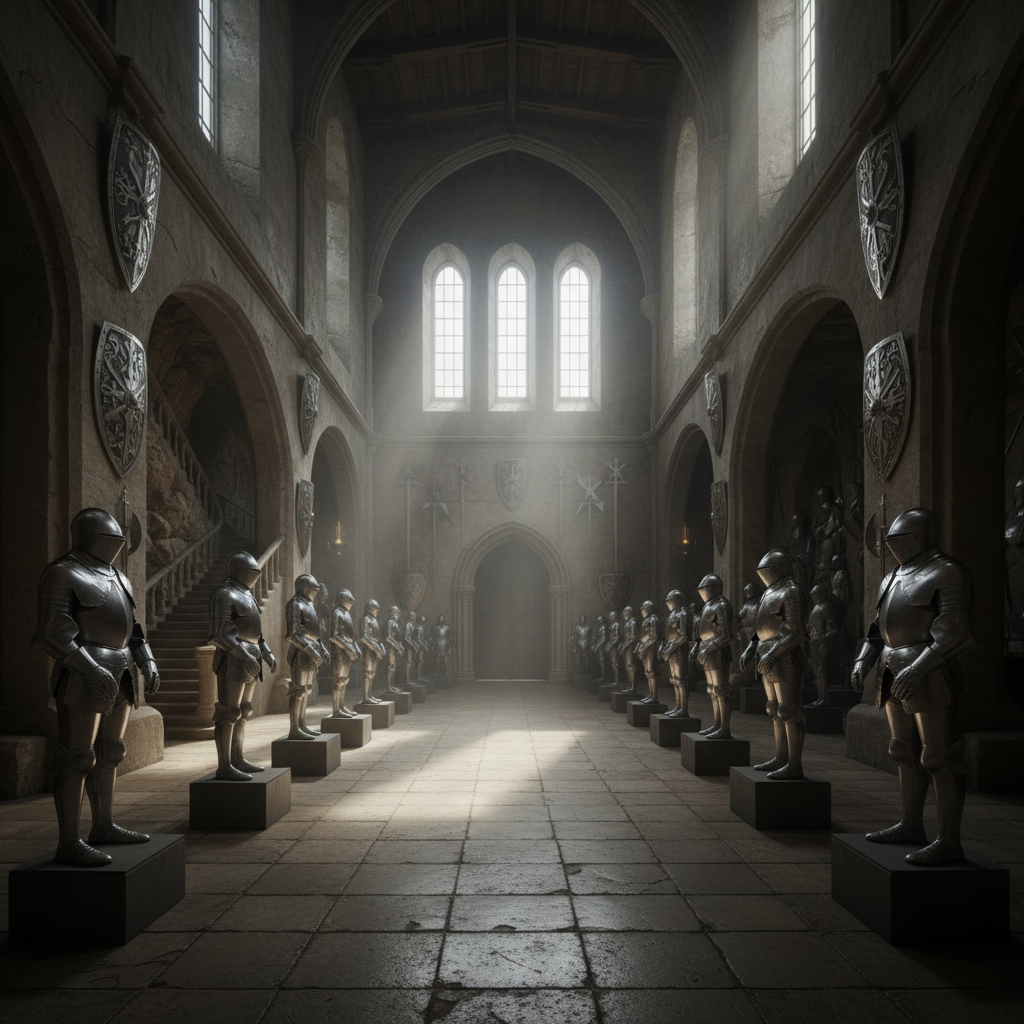
A diplomatic alliance with the Mughal court brought master craftsmen from Agra and Lahore. The Durbar Hall was expanded with Mughal-inspired pietra dura inlay work, while Persian garden principles transformed the outer courtyards. This cultural synthesis created the palace's most distinctive architectural character.
The Resistance
The Palace as Sanctuary
During the upheaval of 1857, the palace sheltered over 3,000 civilians within its walls. The royal family opened the granaries and the zenana became a hospital. The palace's role as a place of refuge became part of its living mythology — a story still told by the descendants of those who found safety here.
The Transition
From Royal Residence to Living Heritage
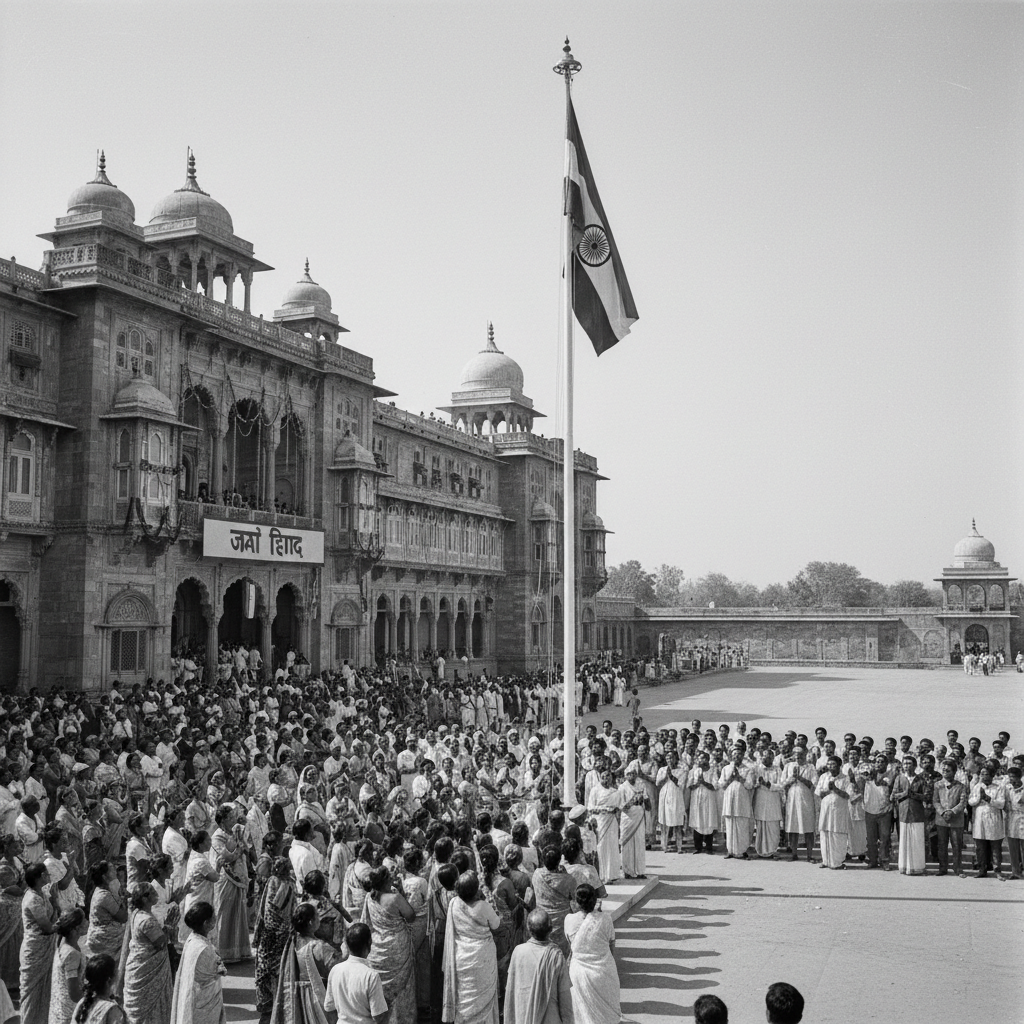
As India gained independence, the last Maharaja, Ranjit Singh IV, made the visionary decision to open the palace to the world. Rather than surrender it to history, he transformed it into a luxury hotel — ensuring its preservation through the patronage of discerning travellers who would become its new custodians.
The Restoration
A Decade of Meticulous Revival
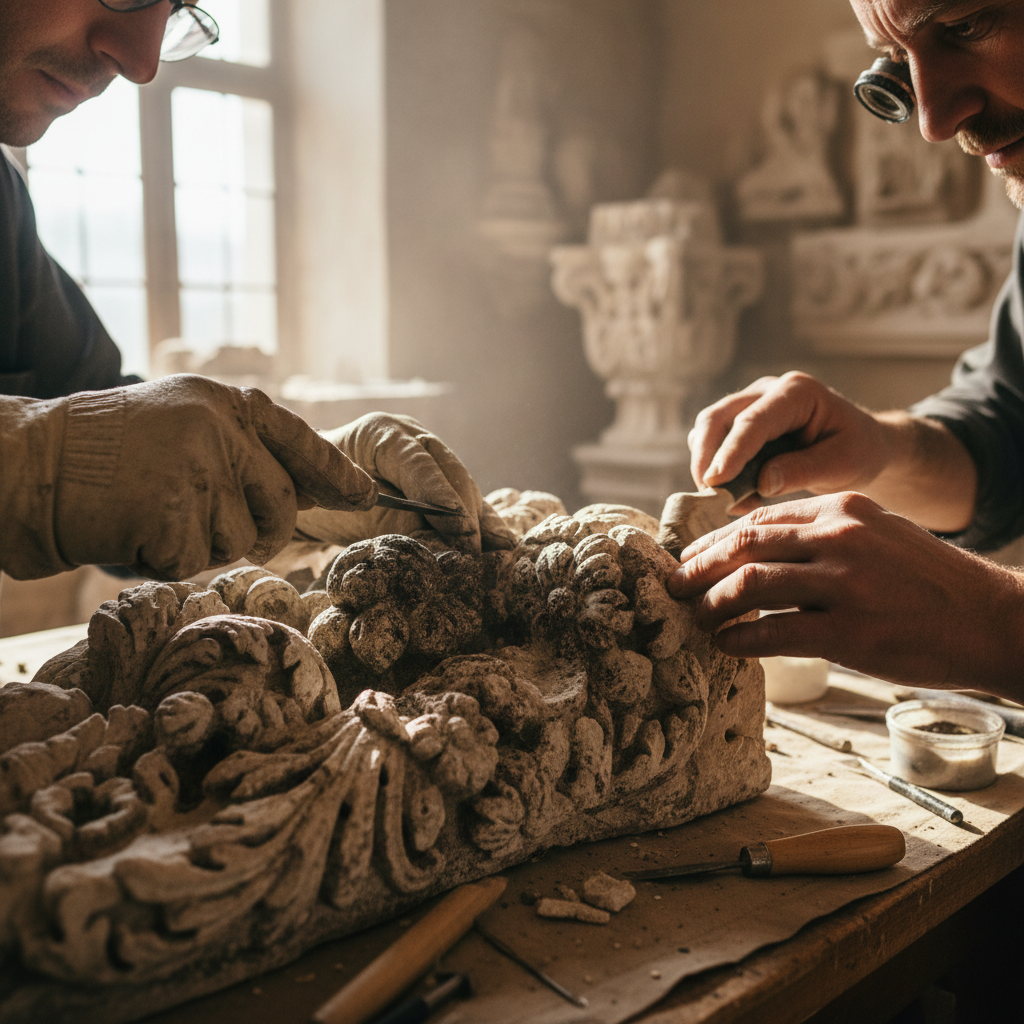
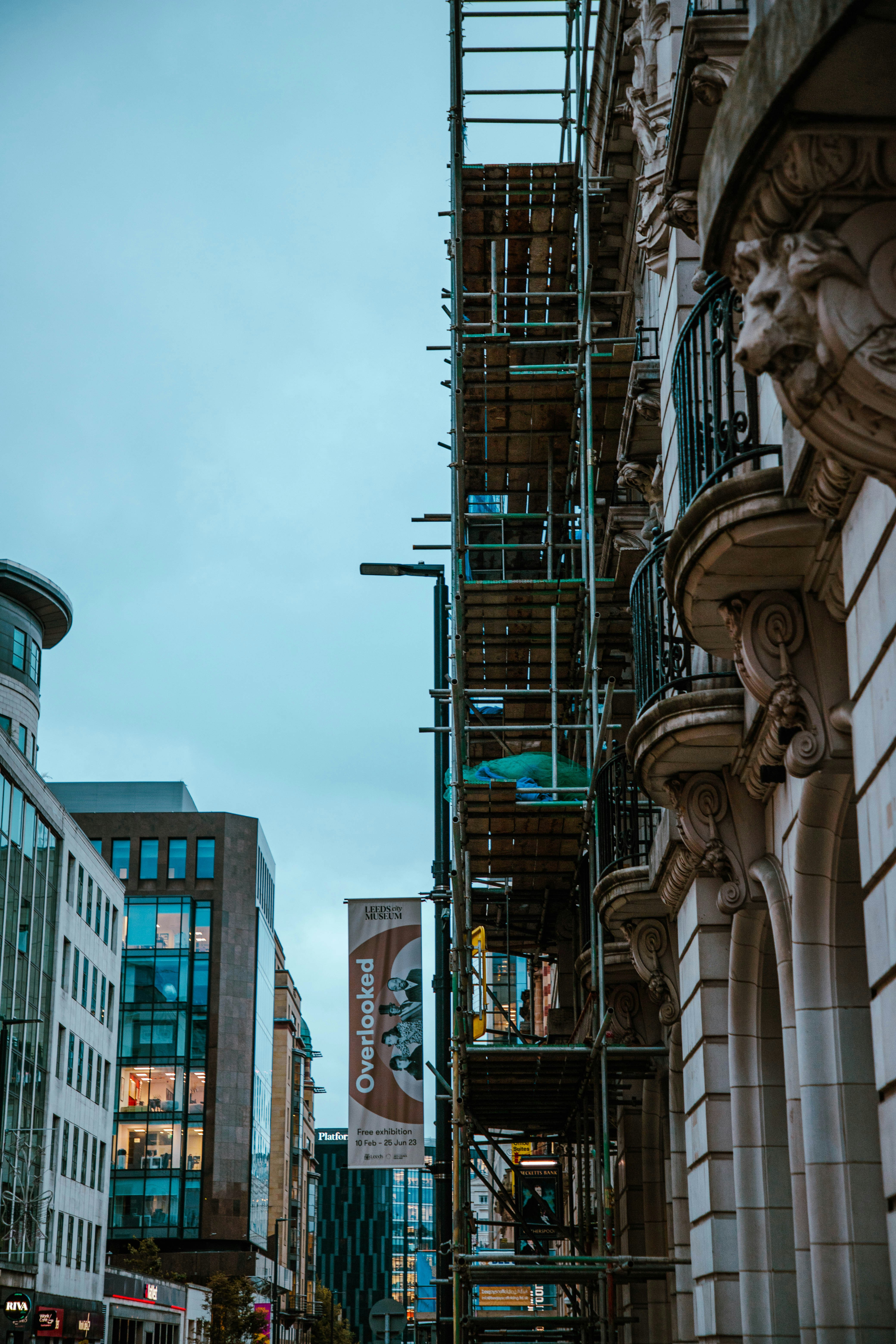
A landmark 12-year restoration project, led by UNESCO-recognised heritage architect Priya Menon, returned the palace to its original magnificence. Over 200 master craftsmen — stone carvers, fresco painters, mirror-setters — were employed using techniques unchanged since the 15th century. Every room was documented, every stone catalogued.
Preservation & Legacy
Guardians of
Five Centuries
The Palace Heritage Foundation was established in 1998 with a singular mandate: to ensure that every stone, every fresco, every carved lattice screen survives for the next five centuries as it has survived the last.
Our restoration programme employs over 80 master craftsmen year-round — stone carvers trained in the Rajput tradition, fresco painters who use original mineral pigments, and mirror-setters who learned their craft from the artisans who first created the Sheesh Mahal.
₹180 Cr
Invested in restoration
200+
Master craftsmen employed
12 years
UNESCO restoration project
50,000
Artefacts catalogued
Stone Conservation
Sandstone cleaning, structural reinforcement, and traditional lime-mortar repointing using quarried Aravalli stone.
Fresco Restoration
Mineral pigment conservation using 15th-century recipes, humidity-controlled storage, and UV-protective glazing.
Textile Archive
Over 2,000 royal textiles — silks, brocades, and embroideries — preserved in climate-controlled vaults.
Digital Documentation
Complete 3D photogrammetric survey of all 340 rooms, creating a permanent digital twin of the palace.
The Custodians
In Their
Own Words

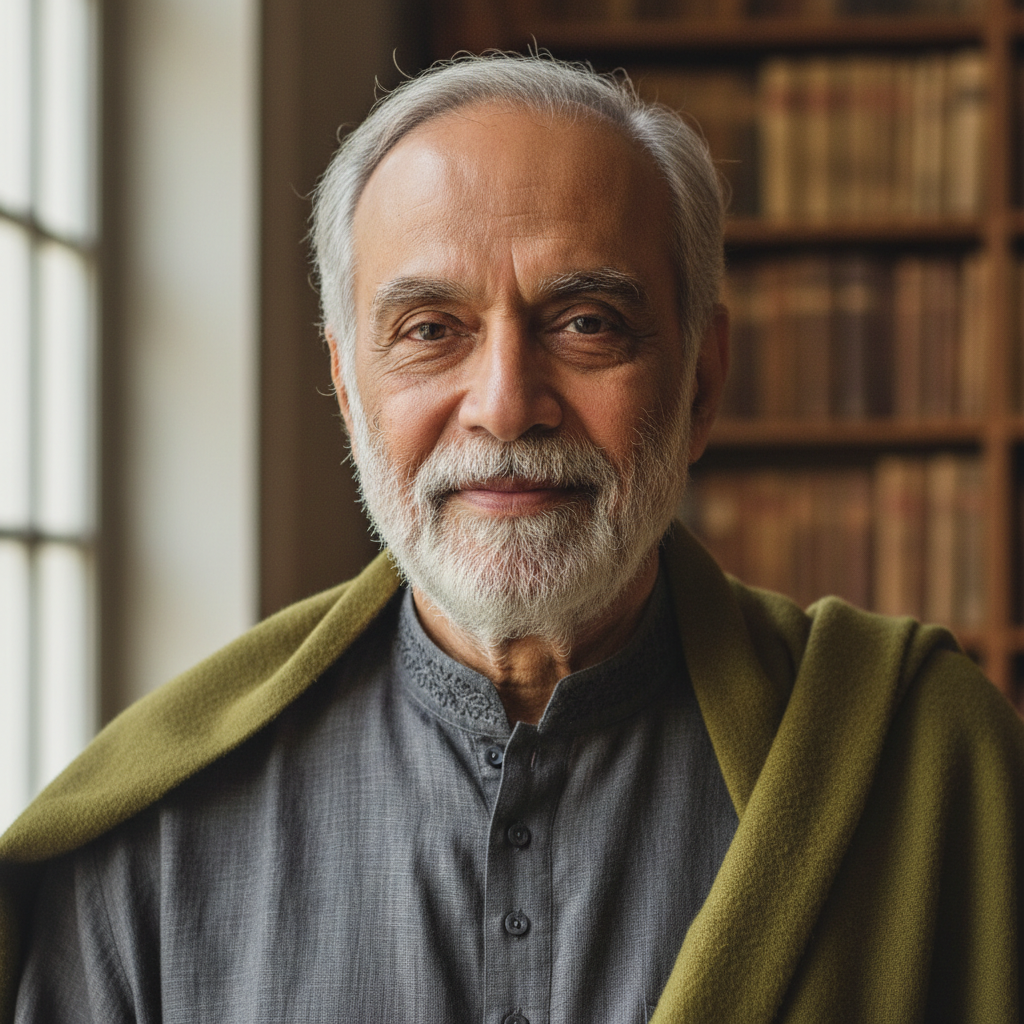
"Every crack in this sandstone is a sentence in a living manuscript. Our work was not restoration — it was translation. We listened to what the palace was trying to say and gave it the vocabulary to say it again."
Dr. Priya Menon
Heritage Architect & Restoration Lead
22 years at the Palace
"I have spent thirty years in these archives. The palace does not merely contain history — it generates it. Every guest who walks through these gates becomes part of a story that began five centuries ago and has no end in sight."
Arjun Rathore
Royal Historian & Archivist
30 years at the Palace
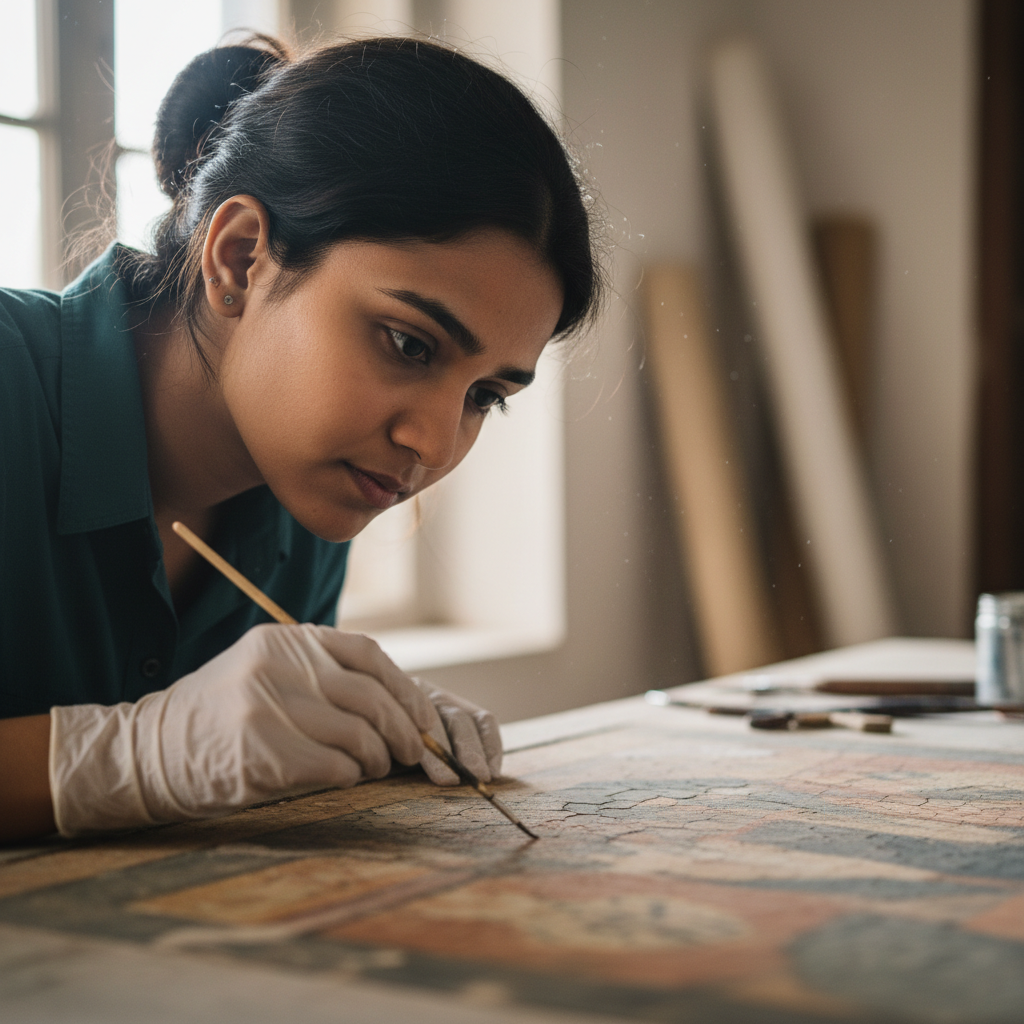
"The original artists mixed their pigments with pomegranate rind and indigo from the palace gardens. When I work on these frescoes, I use the same recipes. The palace insists on it — and I believe it is right to insist."
Meera Singhania
Fresco Conservation Specialist
11 years at the Palace
Become Part of the Story
Five centuries await
your arrival
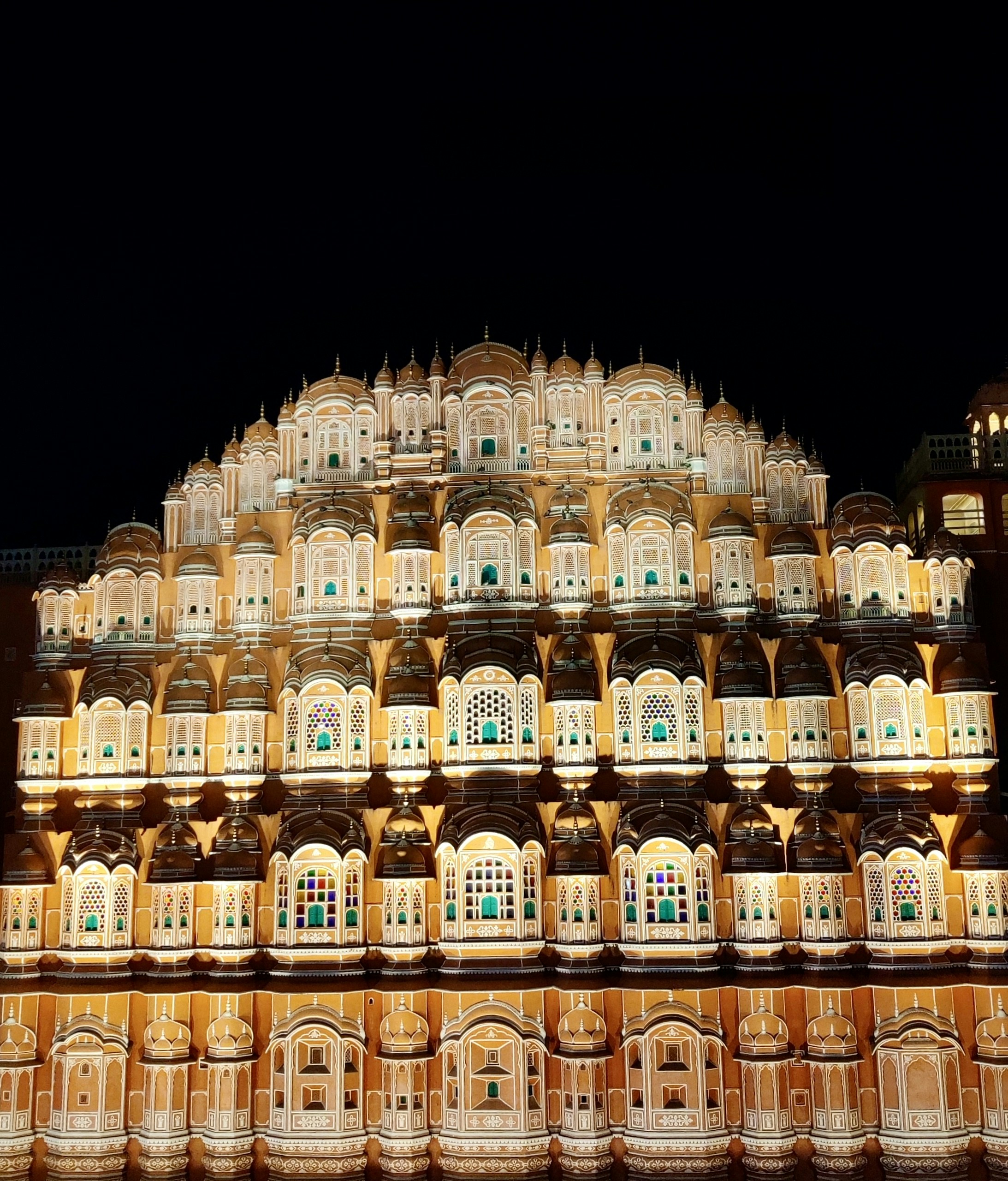
Every guest who walks through our gates adds their own chapter to a story that began in 1487 and has no end in sight.